
Hello! I’m Meg Kissinger
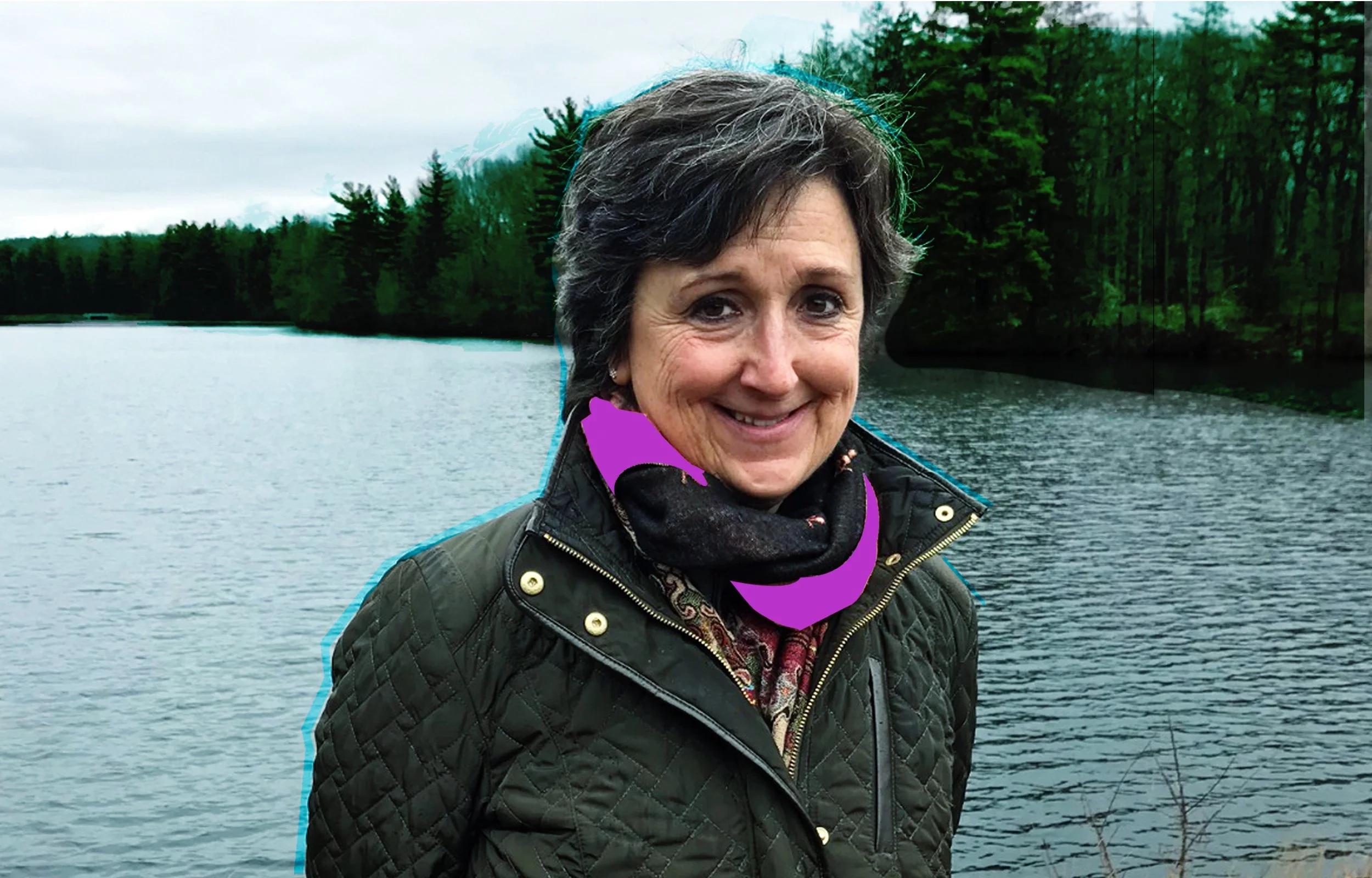

Together, we can end the shame and blame.
I’m a journalist, author and speaker. For much of my career, I’ve been trying to answer a question that is both painfully personal and very much a public concern: Why is it so hard for us to talk about mental illness?
My family has lived with its devastating consequences. So have millions of other families. Yet for generations, we’ve treated mental illness as something to hide, something to be ashamed of, something best kept behind closed doors.
I know a little something about that. And I’ve come to believe that silence gets us nowhere.
I want to help change the way we think and talk about mental illness. Not by pretending there are easy answers, but by telling the truth, asking hard questions and making room for all the stories we’ve been afraid to share.
A family story. And a much bigger one.
I grew up in a big family with abundant love, loyalty and humor. We also had our share of pain. Mental illness affected people we loved, and suicide took two of my siblings.
Like many families, we struggled to make sense of what was happening. We didn't always know what to say or where to turn. Shame and silence made an already difficult situation harder.
For a long time, I did what plenty of people do when life becomes unbearable: I kept going and tried not to look too closely at the things that hurt.
But the questions never really went away. Why do some people get the help they need while others fall through the cracks? Why do families have to fight so hard for care? And why are we so quick to blame people for illnesses we don't fully understand?
Those questions followed me into my work as a journalist. Eventually, I realized that telling these stories—our family's and those of countless other families—might help someone feel a little less alone.
That is what keeps me going.
Following the story
I spent more than two decades reporting for the Milwaukee Journal Sentinel, traveling around the country to investigate America's troubled mental health system.
I met people who had been neglected, mistreated and failed by institutions designed to care for them. I met families who were exhausted from trying to find help for someone they loved. And I met people working, often against the odds, to make things better.
The reporting wasn't always pretty. Some of what I found was heartbreaking. Some of it made me furious.
But journalism can do more than document what is wrong. Done well, it can expose failures, hold powerful people accountable and help bring about change. My reporting on conditions in mental health facilities helped inspire changes in state law and the creation of hundreds of new housing units.
Along the way, I was fortunate to receive more than a dozen national journalism honors, including two George Polk Awards and the Robert F. Kennedy National Journalism Award. I was also named a Pulitzer Prize finalist.
I've taught investigative reporting at Columbia University's Graduate School of Journalism and worked as a trainer for the school's Dart Center for Journalism and Trauma.
I'm proud of that work. But the stories that have stayed with me most are not about awards. They're about people—people who deserve to be heard, people who have been overlooked, and people who keep showing up for one another when things get hard.
When the story became personal
Eventually, I turned my reporting skills toward a story much closer to home.
My book, While You Were Out: An Intimate Family Portrait of Mental Illness in an Era of Silence, is about my family's experience with mental illness and suicide, the systems that failed us, and the love that helped sustain us.
Writing it meant revisiting painful memories and asking questions that don't always come with satisfying answers. It also meant looking at our family with the same openness I had brought to my reporting for years.
The book combines memoir with investigative journalism because I don't believe we can understand these experiences by looking at only one side. Personal stories matter. So do the policies, institutions and cultural attitudes that shape what happens to people in crisis.
Grief is certainly present. But there is also humor, resilience, tenderness and hope. Families are complicated. Life is complicated. Sometimes laughter is the only sensible response to it all.
I wrote the book in the hope that sharing our story might help other families break through the isolation and shame that so often surround mental illness.
Let's speak up about it!
I started my newsletter, Speak Up About It!, to keep these conversations going.
Each week, I share stories, reporting, interviews, resources, and discoveries about mental health. I want this to be a place where people affected by mental illness—especially family members and friends—can learn from one another, ask questions and feel less alone.
I'm a journalist and a family member, not a mental health professional. I'm not here to hand out prescriptions for fixing your life. Heaven knows, I don't have all the answers.
But I believe we can learn a great deal by listening to people who have been there, paying attention to the evidence and being honest about what isn't working.
And I believe that when we stop treating mental illness as a family secret, we make it easier to find help, offer support and imagine something better.
Bringing these conversations to the room
I speak to audiences around the country about mental illness, family, shame, suicide loss and the systems that shape our lives.
Sometimes I draw on my investigative reporting. Sometimes I tell stories from my own family. Often, it's a combination of the two.
These aren't always easy subjects. But difficult conversations don't have to be cold, clinical or hopeless. A little candor, a little humor and a willingness can open hearts that have been shut for years.
Whether I'm speaking to a room full of judges, journalists, students, health professionals or families, my hope is the same: that we leave with a better understanding of one another and a greater willingness to speak up.
If you're looking for a speaker who can bring investigative rigor, personal experience and humanity to these conversations, I'd love to hear from you.
[Learn more about my speaking topics and booking inquiries. COMING SOON…]
A few things about me
I live in Milwaukee, Wisconsin, with my husband, Larry, near the shores of Lake Michigan. The lake is my favorite place to plunge—even when the January weather makes that decision seem questionable.
I'm still a journalist at heart: curious, skeptical and always looking for the story beneath the story. I'm also a reader, a lifelong learner and someone who believes that listening to other people's experiences can change the way we see the world.
Most of all, I believe we have a long way to go in how we relate to mental illness. We won't get there by keeping quiet.
So let's talk about it.
Together, we can end the shame and blame.